
In the competitive iGaming landscape, Mystake has emerged as a prominent platform offering sports betting and casino games, with secure access being paramount for user experience. This whitepaper provides an exhaustive technical guide focused on the Mystake login process, covering everything from basic registration to advanced troubleshooting and security protocols. Whether you’re a novice or a seasoned player, understanding the intricacies of login systems can enhance safety and efficiency, especially when using the Mystake app for mobile gaming.
Before You Start: Essential Pre-Login Checklist
Ensure a smooth login experience by verifying these prerequisites:
- Account Status: Confirm you have a registered Mystake account with verified email and phone number.
- Internet Connection: Use a stable, high-speed connection to avoid timeout errors during authentication.
- Device Compatibility: Check that your device (e.g., iOS, Android, desktop) supports the latest Mystake app or browser version.
- Security Software: Disable VPNs or proxies temporarily, as they might trigger fraud alerts and block login attempts.
- Credentials: Have your username and password ready, and ensure they meet complexity requirements (e.g., 8+ characters with symbols).
Registration and Initial Login Setup: A Step-by-Step Guide
To access Mystake, registration is the first critical step. Visit the official website via the provided link, click ‘Sign Up’, and fill in details like email, password, and personal information. After submission, verify your account through the confirmation email or SMS code. For the initial Mystake login, use the credentials created during registration. It’s advisable to enable two-factor authentication (2FA) immediately for enhanced security, which adds an extra layer by requiring a code from an authenticator app.
Mystake App Login: Detailed Mobile Authentication Process
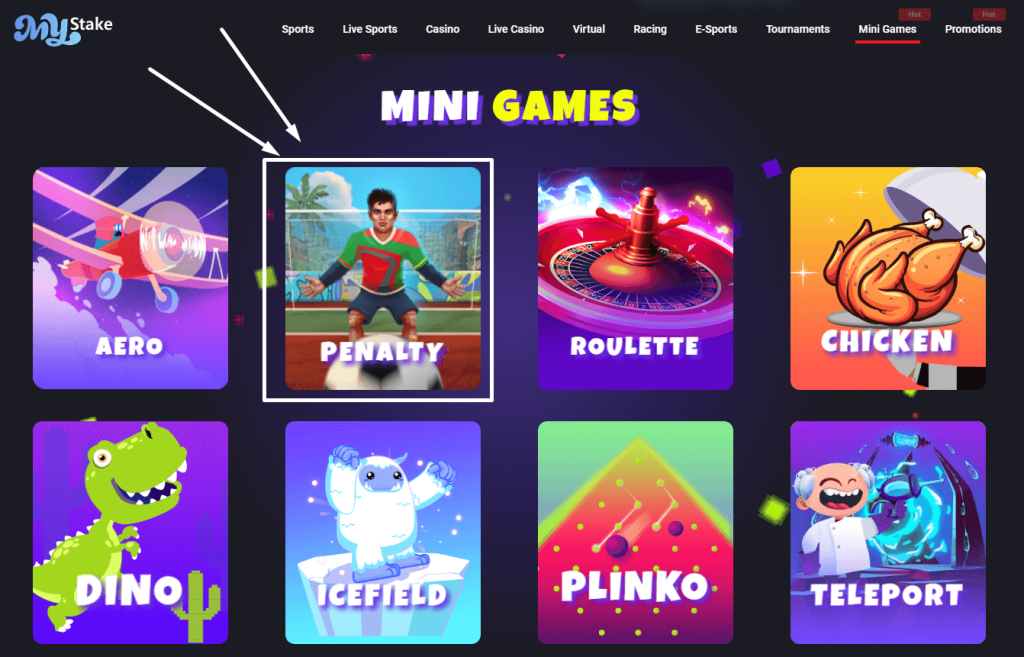
The Mystake app streamlines access for on-the-go gaming. Download it from official app stores or the Mystake website, install it, and launch the application. The login interface mirrors the web version: enter your username and password, and if 2FA is enabled, input the generated code. A key advantage is biometric login support on compatible devices, using fingerprint or facial recognition for faster, secure access. Below is a visual guide to the app login flow, showcasing its user-friendly design.
Login Security: Encryption and Authentication Mathematics
Security at Mystake relies on advanced cryptographic protocols. During login, credentials are hashed using algorithms like SHA-256, which converts passwords into fixed-length strings to prevent plaintext exposure. For example, if your password is ‘MyStake123!’, the hash might compute to a value like ‘a1b2c3…’ via the function: hash = SHA-256(password). This ensures that even if data is intercepted, it’s unreadable. Additionally, session tokens are issued upon successful login, typically valid for 24 hours, using JSON Web Tokens (JWT) with expiration timestamps to mitigate hijacking risks. Implementing 2FA involves time-based one-time passwords (TOTP), calculated as TOTP = HMAC-SHA1(secret, current time interval), providing a dynamic code that changes every 30 seconds.
| Feature | Details | Technical Notes |
|---|---|---|
| Login Methods | Username/Password, 2FA, Biometric | Supports OAuth for social logins in future updates |
| Encryption Standard | AES-256 for data transmission | Complies with GDPR and PCI DSS regulations |
| Session Timeout | 24 hours for web, 12 hours for app | Adjustable in account settings for security |
| Supported Devices | iOS 12+, Android 8+, modern browsers | App size: ~50 MB, requires 2 GB RAM minimum |
| Error Rate Limit | 5 failed attempts lock account for 15 minutes | Prevents brute-force attacks |
Banking and Login Integration: How Authentication Affects Transactions
Login credentials are tightly integrated with banking operations at Mystake. After logging in, users can deposit or withdraw funds, but additional verification may be required for high-value transactions, such as submitting ID documents. This multi-layered approach ensures that only authorized users access financial features, reducing fraud. For instance, if you attempt a withdrawal without recent login activity, the system might prompt a re-authentication step. Always log out after sessions, especially on shared devices, to protect sensitive banking data linked to your Mystake login.
Troubleshooting Common Mystake Login Issues: Scenarios and Solutions
Login problems can arise from various technical glitches. Here are detailed scenarios with resolutions:
- Scenario 1: Forgotten Password – Click ‘Forgot Password’ on the login page, enter your email, and follow the reset link. Ensure the new password includes uppercase, lowercase, numbers, and symbols to meet complexity rules.
- Scenario 2: App Crashing on Login – Update the Mystake app to the latest version, clear cache, or reinstall. On Android, go to Settings > Apps > Mystake > Storage > Clear Cache.
- Scenario 3: 2FA Code Not Working – Synchronize time settings on your device with internet time servers, as TOTP relies on accurate timestamps. Use backup codes if provided during setup.
- Scenario 4: Account Locked Due to Multiple Failures – Wait 15 minutes for automatic unlock, or contact support with verification details. This is a security measure against brute-force attacks.
Extended FAQ: Mystake Login Queries Answered
1. How do I recover my Mystake login if I lose access to my 2FA device?
Contact Mystake support via email with account details and proof of identity. They may disable 2FA temporarily or provide alternative recovery options after verification.
2. Is the Mystake app login more secure than the web version?
Yes, the app often includes additional security layers like device binding and encrypted local storage, but both use the same backend authentication protocols.
3. Can I use the same Mystake login on multiple devices simultaneously?
No, simultaneous logins are blocked to prevent account sharing and security breaches. The latest session will terminate older ones.
4. What should I do if I suspect unauthorized access to my Mystake account?
Immediately change your password, enable 2FA if not already active, and review recent activity logs in the account settings. Report any suspicious transactions to support.
5. How does Mystake handle login data privacy?
All login data is encrypted in transit and at rest, with strict adherence to privacy laws like GDPR. Data is not shared with third parties without consent.
6. Why does the Mystake login page sometimes show a CAPTCHA?
CAPTCHA is triggered during suspicious activity, such as rapid login attempts from new IP addresses, to differentiate humans from bots.
7. Are there any geographic restrictions for Mystake login?
Yes, login may be blocked in jurisdictions where iGaming is prohibited. Use a legitimate location or consult Mystake’s terms for allowed regions.
8. How can I optimize login speed on the Mystake app?
Ensure a stable internet connection, close background apps, and keep the app updated. Using biometric login can also reduce input time.
9. What are the common error codes during Mystake login and their meanings?
Error 401: Unauthorized (invalid credentials); Error 403: Forbidden (IP blocked); Error 500: Server issue (retry later). Refer to the help section for specifics.
10. Does Mystake offer a ‘Remember Me’ feature for login?
Yes, but it’s recommended only on private devices due to security risks. It stores a secure token for faster access but doesn’t compromise password safety.
In conclusion, mastering the Mystake login process involves a blend of technical knowledge and proactive security practices. From registration to troubleshooting, this guide aims to empower users with in-depth insights, ensuring a seamless and secure gaming experience. Regularly update your credentials and stay informed about platform changes to mitigate risks. For further assistance, refer to the official Mystake resources or community forums.